Email addresses are the foundation of modern digital identity. They connect your social accounts, banking services, and work platforms. Because of this central role, an exposed email address can create serious, long-lasting consequences.
If you have ever wondered what happens when your email is leaked online, the short answer is that it rarely ends with spam alone. A leaked email address often becomes the entry point for phishing attacks, account takeovers, and large-scale privacy erosion. Once exposed, an email address is difficult to fully reclaim.
What Does It Mean When an Email Is Leaked?
An email leak occurs when your email address becomes publicly accessible or shared without your consent. This may happen through a data breach, a poorly secured database, or aggressive data harvesting. Unlike passwords, email addresses cannot easily be changed everywhere at once. Even if you stop using an address, it may continue circulating across the dark web for years.
How Email Addresses Get Leaked Online
Leaks rarely happen by accident. They usually result from predictable patterns of online behavior
- Website Data Breaches: Attackers hack company databases to extract millions of user emails.
- Credential Stuffing: Using one email for every platform increases your risk exponentially.
- Public Harvesting: Posting your email on forums or social media allows bots to "scrape" your data.
- Third-Party Sharing: Some services share data with partners, leading to indirect leaks.
The first sign is usually a sudden surge in
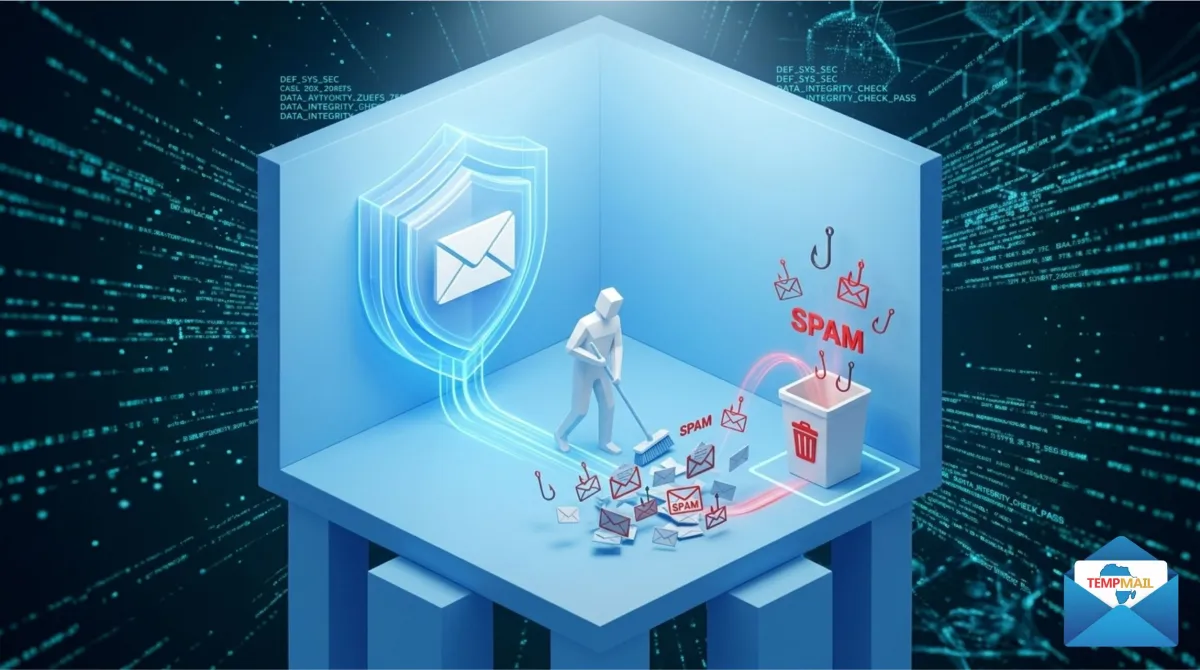
unwanted messages. This includes promotional spam, suspicious links, or "urgent" fake alerts designed to trigger panic. Because spam volume often increases gradually, it can be difficult to pinpoint exactly which site leaked your data.
Long-Term Risks to Your Digital Identity
Attackers rarely act immediately. Instead, leaked emails are stored and sold for future campaigns, leading to:
- Targeted scams referencing your real name.
- Automated "Brute Force" attacks on your other accounts.
- Impersonation attempts to fool your contacts.
Spam and Phishing After a Leak
While spam is annoying,
phishing is dangerous. Attackers pretend to be banks or cloud providers, urging you to "verify your account" via a malicious link. This is the primary way hackers steal login credentials.
For protection strategies, see: Email Spam Protection: 7 Simple Ways to Stop Phishing.
How to Know If Your Email Has Been Leaked
Watch for increased spam, password reset emails you didn’t request, or login alerts from unfamiliar locations. You can also use tools like "Have I Been Pwned" to check if your address appears in known database breaches.
What to Do After Your Email Is Leaked
If you suspect an exposure, take these steps immediately:
- Change Passwords: Focus on your primary email and banking accounts.
- Enable 2FA: Use Two-Factor Authentication wherever possible.
- Audit Recovery Info: Ensure your backup phone numbers and emails are correct.
- Switch to Aliases: Stop using the leaked email for new sign-ups.
Learn how to organize your digital life here: How to Separate Work and Personal Emails.
Using Temporary Email to Reduce Risk
The most effective way to prevent future leaks is to stop giving out your real address. Temporary email services act as a buffer between you and high-risk websites.
Services like
Temp Mail Africa provide instant disposable addresses without registration. This ensures that even if a site is hacked, your primary inbox remains safe.
Frequently Asked Questions
Is an email leak dangerous without a password?Yes. Attackers use it for phishing, social engineering, and trying to bypass security questions.
Can I delete my email from the dark web?No. Once it is copied, it stays there. You can only minimize the damage by securing your accounts.
Are temporary emails safe?Yes, they are highly effective for non-critical registrations. See:
Is Temporary Email Safe?.
Final Thoughts
Understanding
what happens when your email is leaked online is the first step toward better security. By separating your email usage and leveraging tools like
Temp Mail Africa, you can navigate the web with confidence and protect your personal data from the next big data breach.
Need a fresh temporary email?
Generate a secure, anonymous email address in seconds.


Leave A Comment